
Mint
31st August 2026
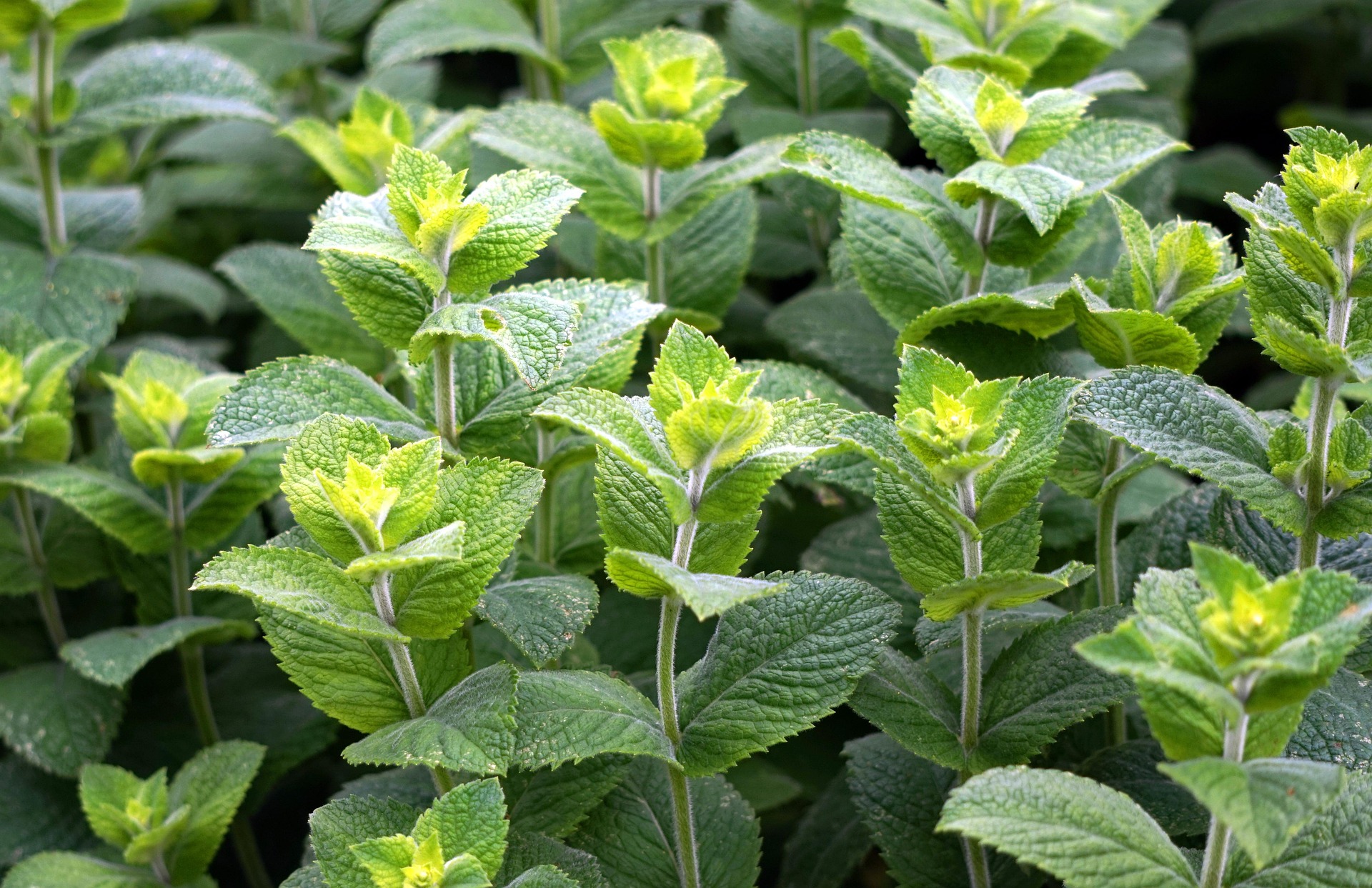
While there are well over 100 species of mint across all the cultivars and hybrids we may have in gardens and nurseries, they fall into three main categories: Spearmint, Peppermint and Watermint.
Spearmint
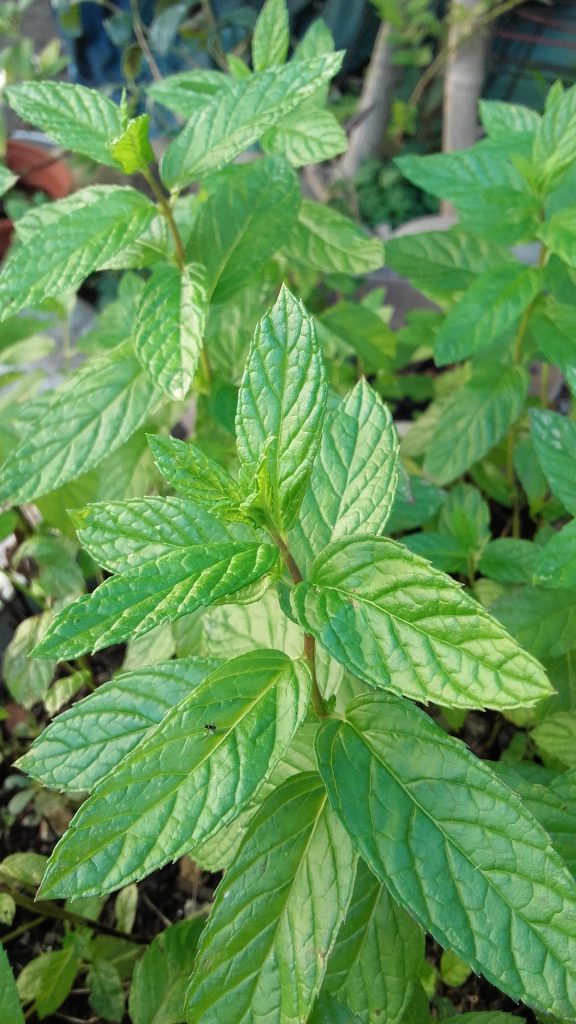
Spearmint (Mentha spicata) is also known as common mint or garden mint. It’s the one you’re most likely to find in a cottage garden adding a fragrant spike among the borders. We’re always warned to contain mint in some way, keep it in a pot or bury barriers around her in the soil. While preventing rampant tendencies, the hard edge of a container can stifle growth too much in my experience, creating constant effort of repotting or recentring as she grows towards the edges. My preference has been to simply let her have her way planted directly, but give a wide berth before other plants. The result in my garden is a luscious bed of mint and honeysuckle, though I find myself squeezing past, I’m rewarded by delicious fragrance.
Peppermint
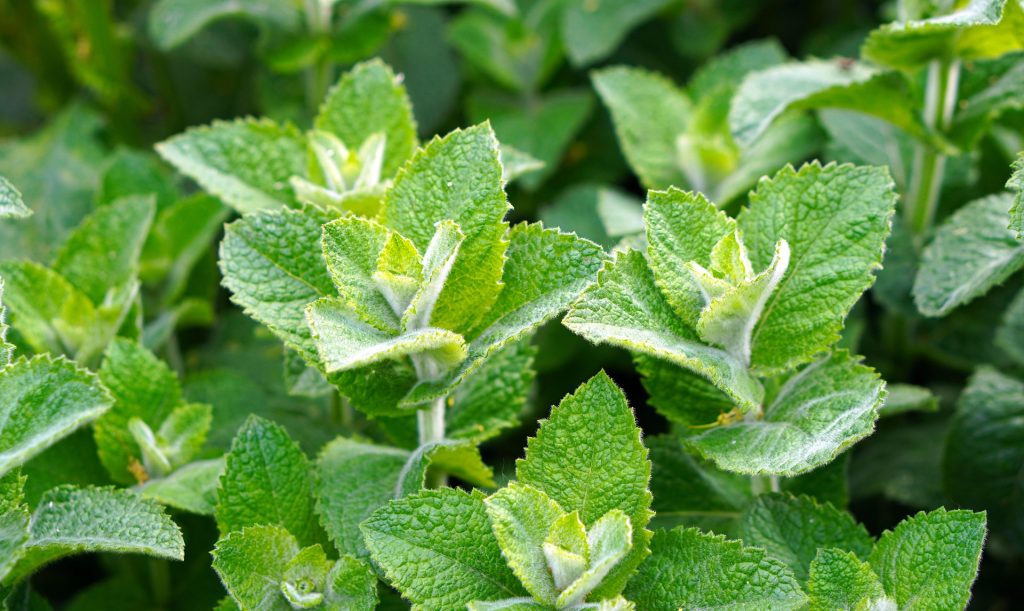
Peppermint (Menta x piperita) is the other species we’ll often plant in gardens. I’d recommend having both spearmint and peppermint if you can as you can then play with creating your preferred blend of them in a fresh tea. Two parts spearmint to one part peppermint provides a gentle, stomach calming brew, good for after dinner digestion. Reverse the blend to increase the peppermint quota for a perky blend to keep you focused when working.
Watermint
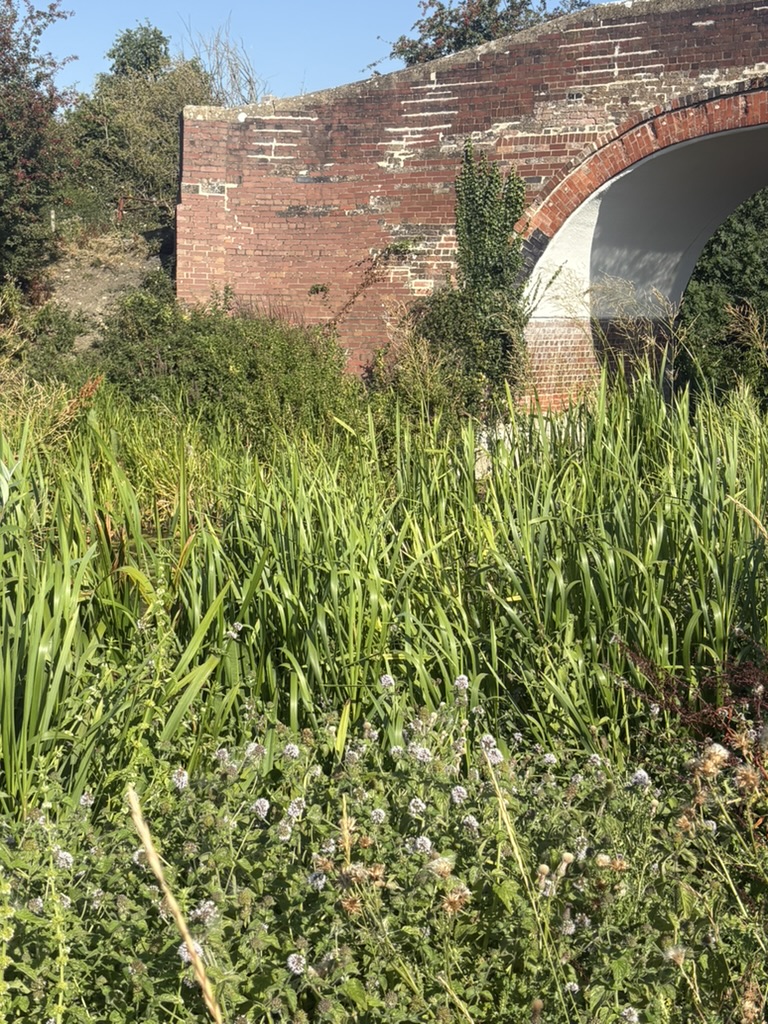
Watermint (Mentha aquatica) is the fieriest of the three. It’s believed that peppermint arose as a natural cross between spearmint and watermint. The first example of peppermint was found in a field by John Rea in 1700, he gave the name peppermint because of the peppery smell, inherited from her watermint parentage. Peppermint still has a predilection for damper places like field ditches, whereas spearmint prefers drier ground like hedgerow banks. Watermint, as her name suggests, is commonly found alongside rivers and canals. She’s one to sniff out on a waterside walk. I’ll be running a herb walk alongside the Stroud Waterway in September as part of the Stroud Valleys Project Canals Connected programme of events, sharing the stories of watermint, water forget-me-not, reeds and lily pads among many more.
Mint ID
It can be tricky to distinguish between spearmint and peppermint. Taking a little nibble is often the quickest way, but we know it’s always best to ID a plant more carefully before ingesting it, so do look for other markers too. Both plants have the characteristic square-shaped stem common across all the Lamiaceae family. About 10% to 15% of herbs are in this family, it’s associated with strong aromatic oils which provide many of their active qualities. Check the stems for a slightly purply tint at the point where the leaves join, this can be an indicator of peppermint, though you’re more likely to see this on black peppermint (Mitcham mint) than on white peppermint. These two varieties of peppermint were cultivated for different purposes. Black peppermint yields more essential oil, with a very robust flavour; white peppermint produces a sweeter, more delicate and highly prized oil. The delicate nature of white peppermint extends to the plant’s tolerance to frost, drought and disease, requiring more protection.
Leaves can also help identify your mint variety. The mild spearmint has pointier, more jagged leaves with deeper veining, I remember this by thinking of the pointy nature of a spear. Spicier peppermint tends to have rounder, smoother leaves. Picturing a cool, round peppermint sweet helps me remember this.

Cultivating Mint
If you get confused between your mints, you’re not alone, their nature is not to come true from seed so any self-seeding that happens can quickly create a muddle among new plants. To ensure plants remain true to their parent, it’s best to propagate from cuttings, especially rhizome cuttings, or plant division. We’re just beyond the summer window for taking stem cuttings, but autumn is a good time for root cuttings. Choose a healthy, fleshy root and snip a short length (a couple of inches or 3 to 5 cm long). Lay these horizontally onto a tray of moist compost then push them in so they sit just under the soil. Lightly cover with a little more compost, water gently and keep shaded and sheltered for three to four weeks, watching for new shoots to emerge.
Harvesting Mint
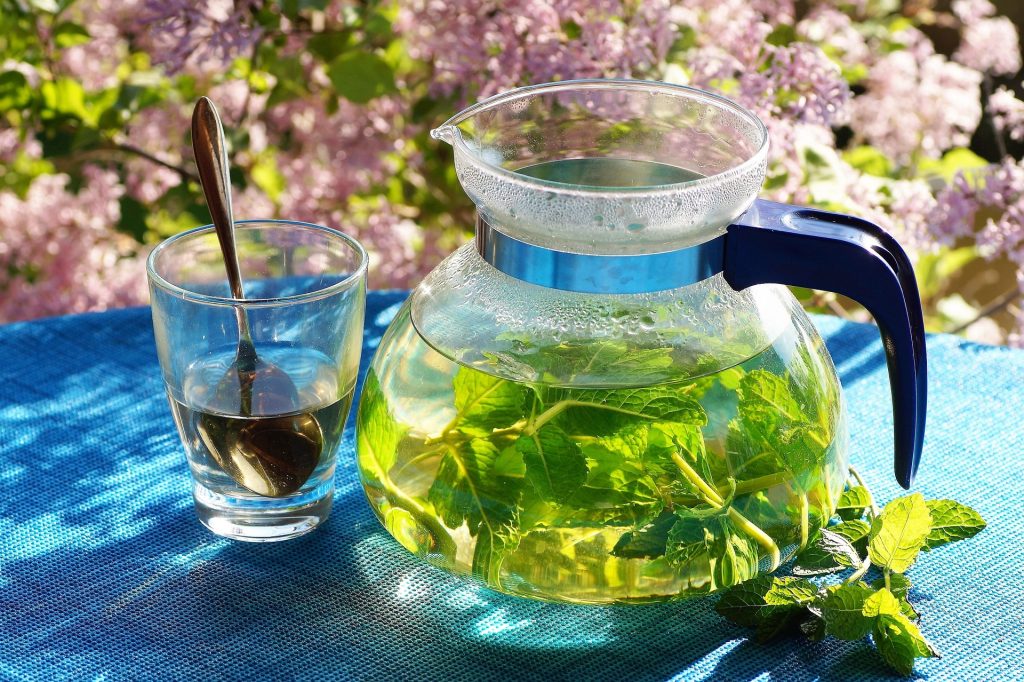
To harvest mint for fragrant teas, pick the top leaves (a bit like you would a tea plant), this will encourage more side shoots making a bushier plant. For maximum scent experience, try doing this at nighttime when the volatile oils are stronger.
You can also harvest stems of mint for drying. Snip with secateurs anything up to about 12 inches long, handling delicately to minimise bruising, then hang with string and leave in a dark place for about a week. Store dried leaves in an airtight container, keep in a cool, dry, dark place and you should be able to have freshly brewed tea throughout winter. Pouring boiling water onto the leaves in pot or a cup instantly reactivates their volatile scent molecules.
Winter Mint
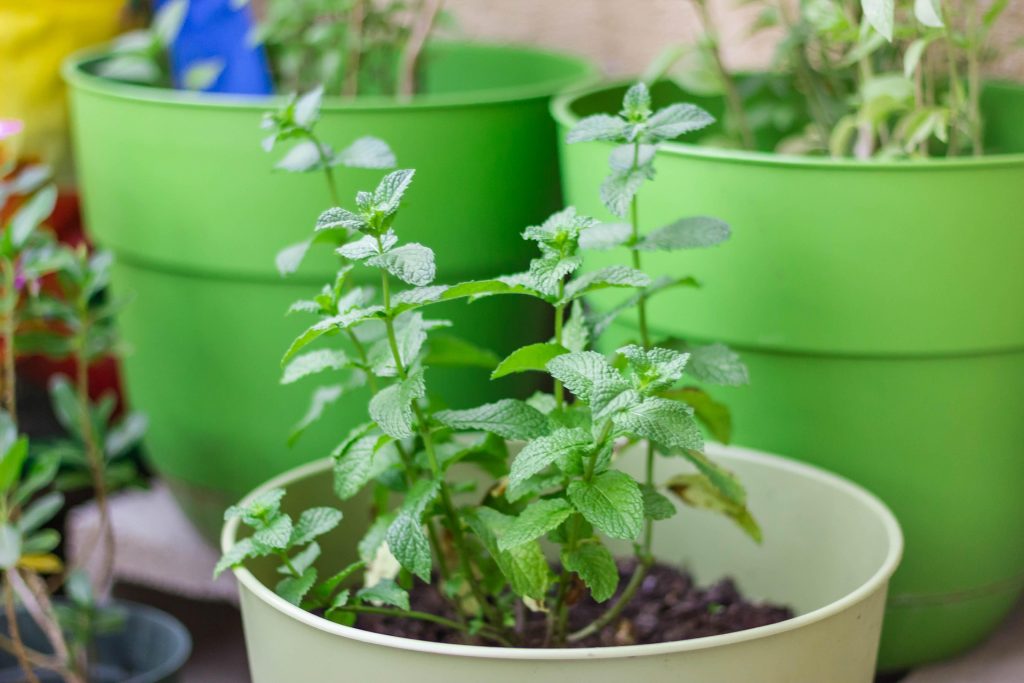
Mint is also a good windowsill plant. Kept this way you can harvest fresh leaves whenever. Do keep picking regularly to prevent her going ‘leggy’ and also give her a quarter turn each week so the whole plant can benefit from whatever sunlight we get through the winter months. Root cuttings taken now and grown indoors can provide your soothing digestive tea to enjoy after Christmas dinner.
Using Mint
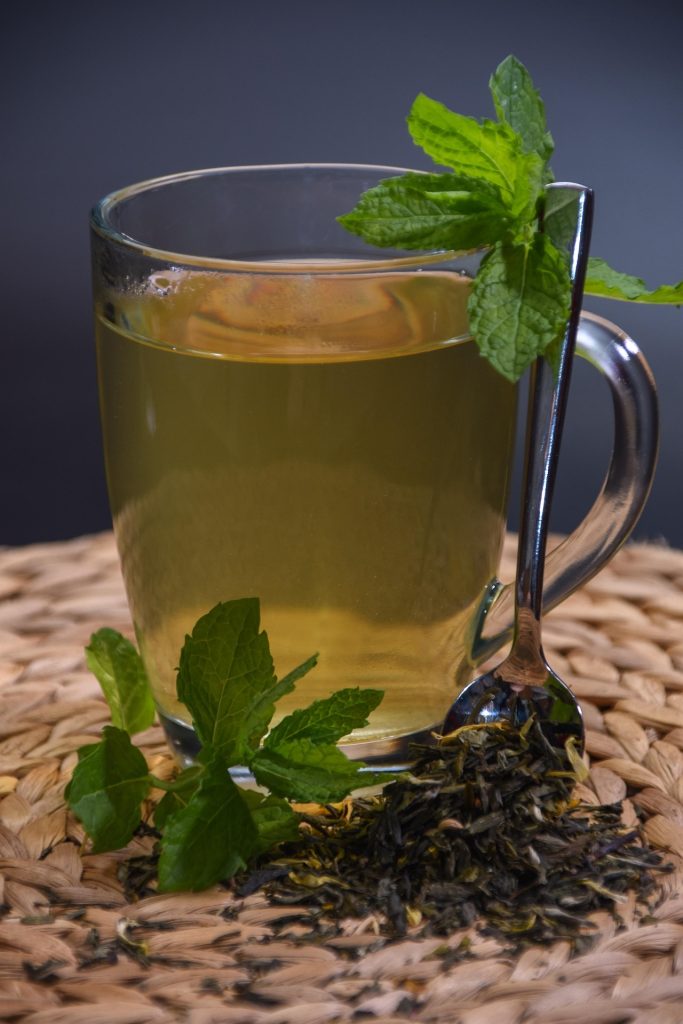
Mint has many applications beyond tea, as seen when opening any bathroom cabinet. She is included in almost all oral hygiene preparations. You can make your own mouth wash with homegrown mint leaves.
Mint Mouthwash
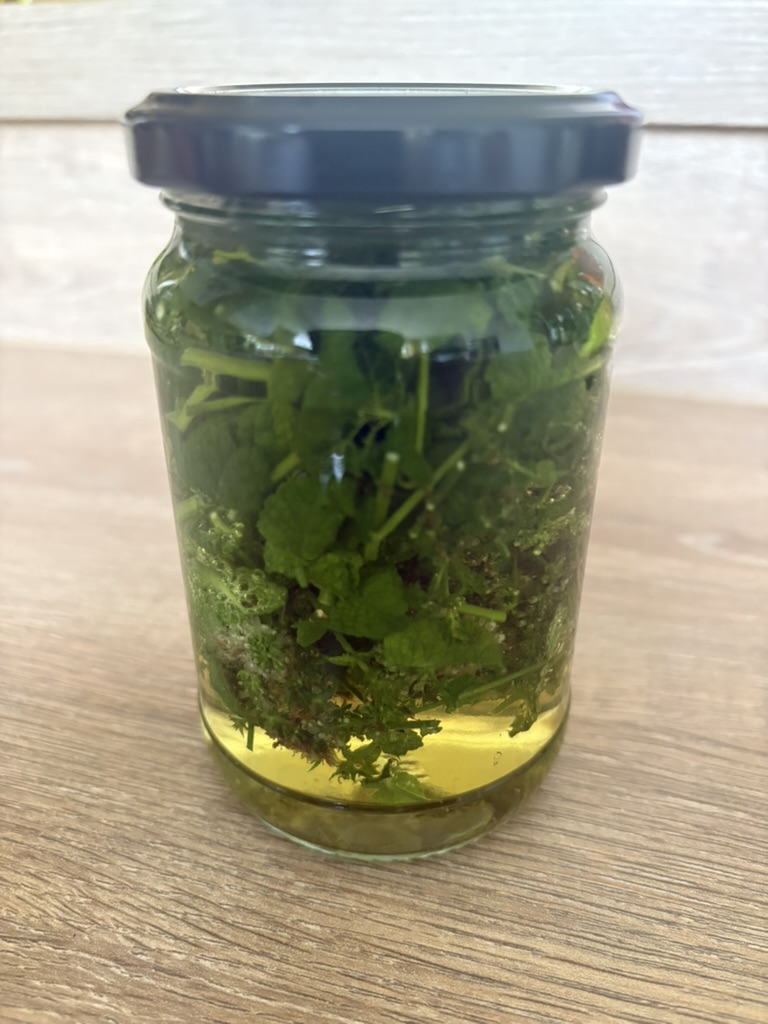
Put a handful of mint leaves in a jar and pour over a cupful of boiled water.
Cover and leave it to go cold (at least an hour).
Then strain out the leaves and add a teaspoon of baking powder to the liquid, stirring to dissolve, this raises the pH level in your mouth helping neutralise the acids that create odour so freshening breath.
To use your mouthwash, simply swish around teeth and gums then spit out.
Bottle your mouthwash and keep it in the fridge to use over the next few days, make a fresh batch when needed.
You can experiment a little with other additions added to the infusion if you choose, like a few clove buds (especially good for toothache), or a sprig of antiseptic thyme or sweet and freshening fennel seeds. Other ingredients to add to the strained liquid could be salt helping reduce infections and also balance pH; a little aloe vera gel which is softening and soothing for sensitive gums. Coconut oil and propolis can both help against plaque and gum disease while charcoal is also used in oral preparations, believed to be whitening, but with less substantial evidence to support this practice.
More ways with mint
As a generous plant you may have plenty of mint to experiment with. In a facial steam she will clear sinuses or ease headaches. Add her to a bath for instant invigoration, or a foot bath to reduce odour. Create blend-it-yourself deodorants, soaps, cooling after-sun treatments, or refreshing hair rinses. And around the house let mint provide fresh fragrance and help deter fleas and insects, including ants. Tuck leaves into pet bedding or make a spray.
With such a wealth of choice and rich array of possibility, if you have an abundance of spearmint or peppermint in your garden, you are truly minted!