
The Origins of Ayurveda
Ayurveda, meaning “the science of life,” is one of the world’s oldest holistic healing traditions. Born in India over 3,000 years ago, it remains a complete system of natural medicine that considers the whole person—body, mind and spirit—rather than only treating symptoms. Ayurveda teaches that true health comes from balance: within yourself, with your environment and with the natural rhythms of life.
Much of this ancient Ayurvedic knowledge survives in classical texts such as the Charaka Samhita and Sushruta Samhita. Inside them are timeless guides on Ayurvedic herbs, natural remedies, diets and daily routines, along with detailed surgical techniques. They describe not only the medicinal benefits of each herb but also how they interact with lifestyle and diet, revealing a sophisticated understanding of holistic medicine long before modern Western medicine, which has only existed in its scientific form for around 200 years.
Central to Ayurveda are the three doshas
The vital energies that shape our bodies, minds and personalities:
Vata
Governs movement, creativity and energy flow.
Pitta
Controls digestion, metabolism and transformation.
Kapha
Provides structure, stability and immunity.

By understanding your dosha, Ayurveda shows you how to live in balance – a wisdom that has supported human wellbeing for thousands of years and remains deeply relevant today.
Key Plants in Ayurveda
Herbs are at the heart of Ayurvedic medicine, but they are only one part of a holistic system that also includes diet, daily practices and lifestyle routines. Each herb carries unique properties that support balance in body, mind and spirit, and is often used according to an individual’s dosha.
Some herbs are used on their own for their healing properties, while others are combined to create powerful herbal remedies. Together, they form a sophisticated framework for maintaining balance, preventing illness and supporting overall wellbeing.
Ayurveda recognises over 1,200 medicinal plants, with around 300 Ayurvedic herbs, roots and fruits used regularly in daily practice. While some, such as turmeric, ginger, and cinnamon, are now globally recognised, many remain central to Ayurvedic traditions, still tailored to each person’s constitution.
Some of the most celebrated Ayurvedic plants include:
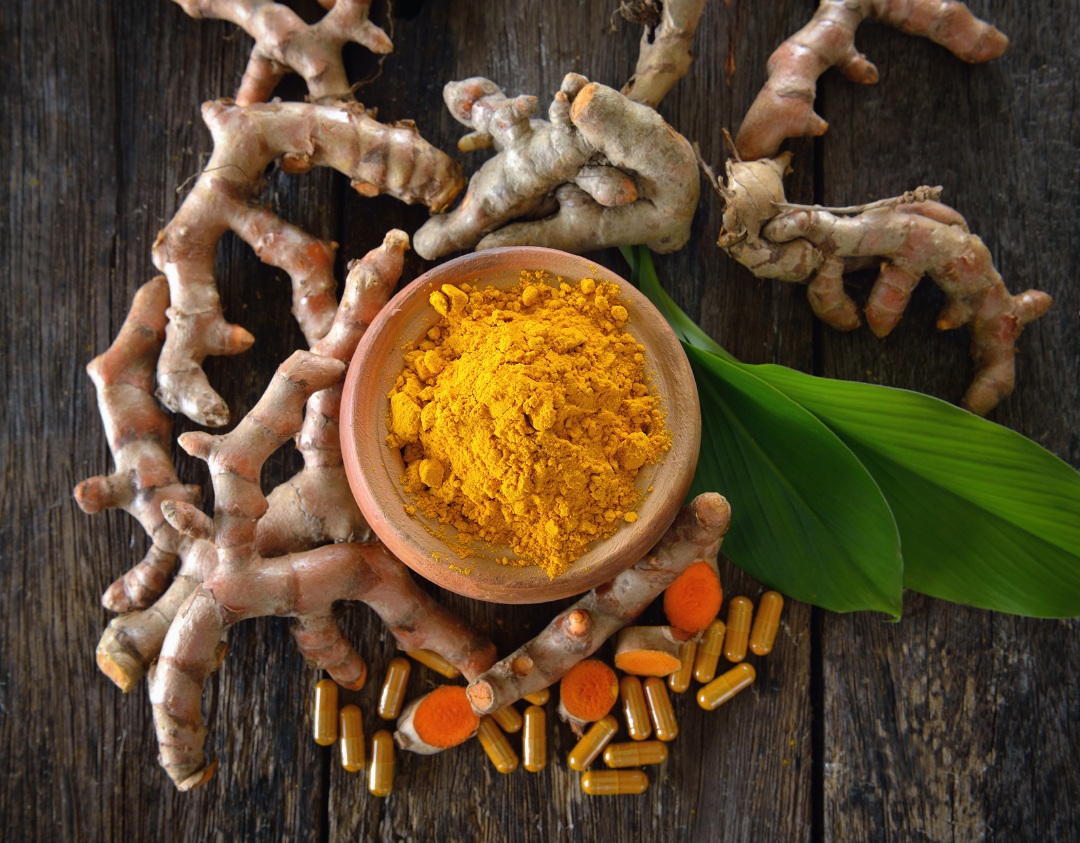
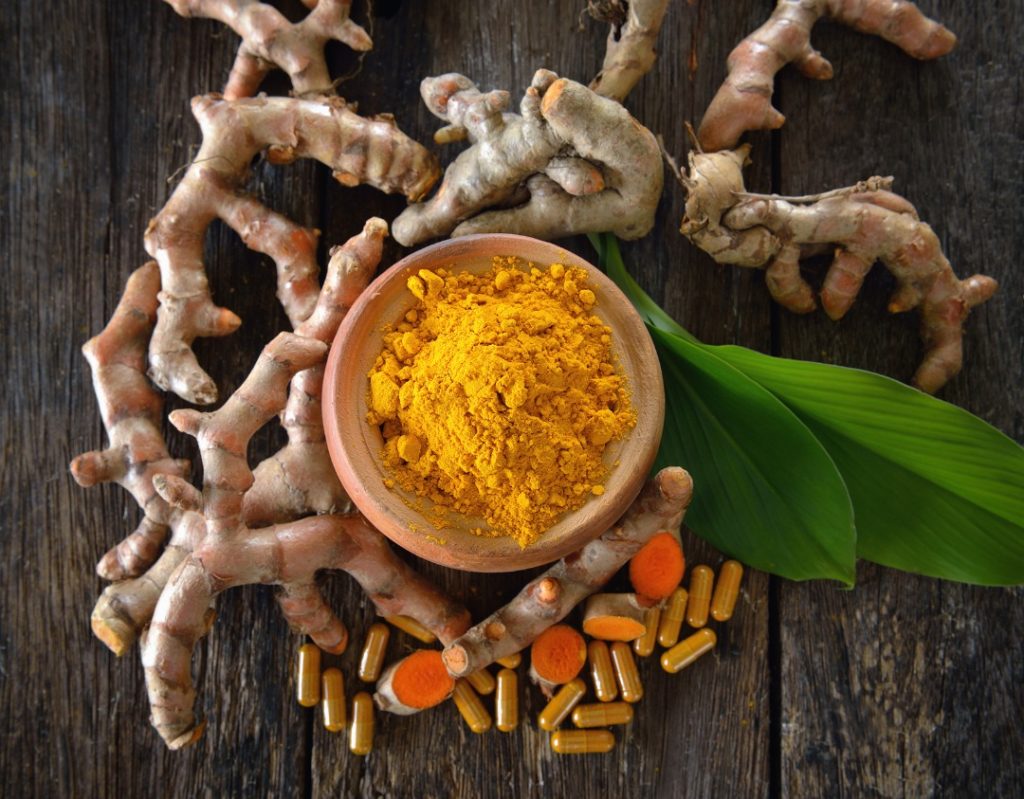
- Haldi (Turmeric): Anti-inflammatory, supports immunity and digestion.
- Tulsi (Holy Basil): Reduces stress, enhances clarity, strengthens immunity.
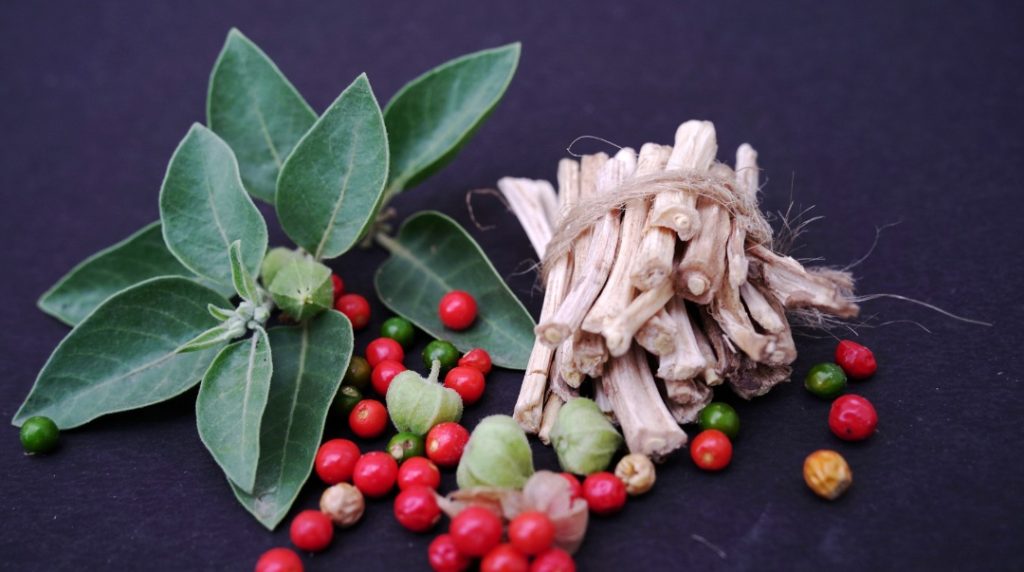
- Ashwagandha: Restores vitality, calms the mind, improves resilience.
- Ginger: Supports digestion, circulation and energy.
- Amla (Indian Gooseberry): Rich in vitamin C, promotes longevity and skin health.
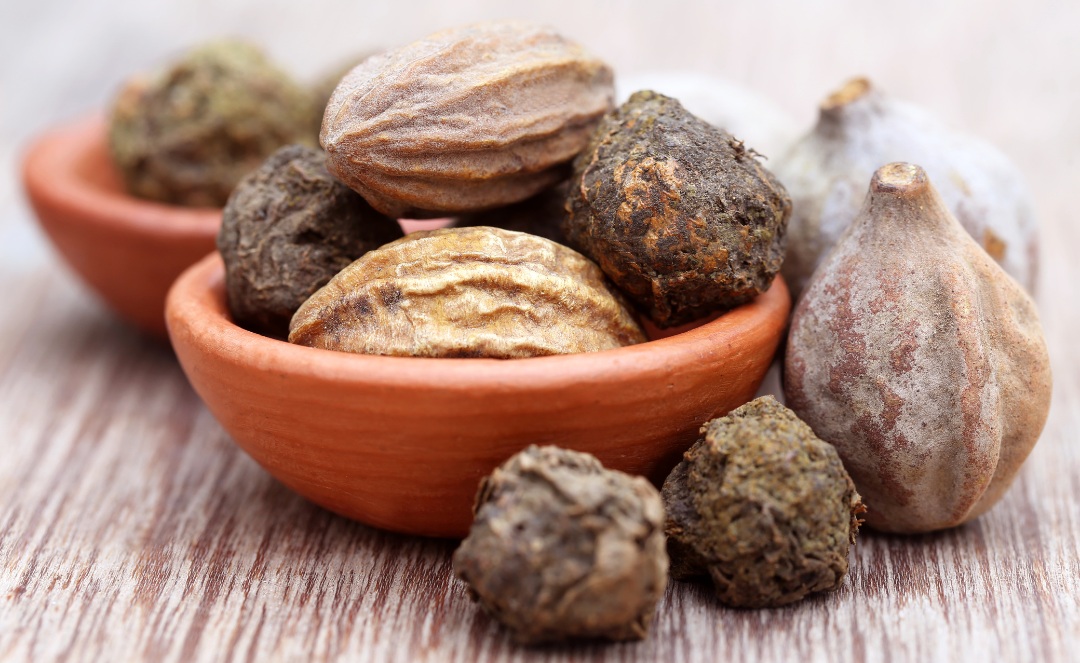
- Neem: Detoxifying and antibacterial, supports skin and cleansing. Triphala: Blend of three fruits, aids digestion and detoxification. Brahmi: Enhances memory, focus and calm.
- Licorice (Yashtimadhu): Supports respiratory health and vitality.
These Ayurvedic plants are prepared in teas, powders and oils, forming the backbone of Ayurvedic practice and herbal healing.
Ayurveda Beyond India
Ayurveda has been carefully preserved in India for thousands of years, passed down through communities who understood the powerful relationship between herbs, diet, lifestyle and wellbeing.
During the colonial period, much of this wisdom was taken from its cultural context. Plants native to India, such as turmeric, cinnamon and ginger, were extracted, commodified and sold abroad, often without recognition of the traditions that nurtured them. Through trade routes, Ayurvedic herbs spread to new regions, though often stripped of the broader system that gave them meaning.
In the West, modern medicine rarely embraced Ayurveda as a whole. Instead, individual herbs were adopted here and there, often for culinary use or isolated medicinal effects, disconnected from the holistic principles that guide Ayurvedic practice. This selective adoption reduced a centuries-old, integrated system into fragments, leaving much of its depth and philosophy overlooked.
Despite these challenges, the resilience of Ayurveda shines through. The herbs, the knowledge and the traditions survived, both in India and in fragments abroad, safeguarded by herbalists and practitioners, laying the foundation for renewed interest in holistic health and natural remedies today.
Ayurveda Today
In today’s world, a growing awareness of wellbeing, natural health and holistic healing has led many people to rediscover Ayurveda. Increasingly, individuals are researching Ayurvedic principles, experimenting with herbal remedies and weaving daily routines into modern life.
In the West, this has translated into a surge of interest in natural solutions: herbal teas, supplements, oils and plant-based remedies are now widely used, often alongside conventional healthcare, to support balance, immunity and overall vitality.
What is striking is how accessible Ayurveda has become. People are not only consulting Ayurvedic practitioners but also engaging directly with Ayurvedic herbs, practices and techniques that have nurtured health for millennia. From mindful morning rituals to simple herbal preparations, this curiosity reflects a desire to reconnect with natural ways of supporting health.
By embracing Ayurveda with respect for its origins, we can experience its enduring wisdom firsthand. Even far from its birthplace, it offers practical tools for cultivating balance, resilience and harmony in a fast-paced modern world— reminding us that ancient traditions can still illuminate paths to health and mindful living today.
Frequently Asked Questions About Ayurveda
What is Ayurveda?
Ayurveda, meaning “the science of life,” is an ancient holistic system of medicine from India. It focuses on achieving balance in body, mind and spirit through herbs, diet, lifestyle and daily practices.
How old is Ayurveda compared to modern medicine?
Ayurveda is over 3,000 years old, rooted in Vedic texts and classical works like the Charaka Samhita and Sushruta Samhita. In comparison, modern Western medicine in its evidence-based form has only developed over the last 200 years.
What are some key Ayurvedic herbs?
Some of the most widely used Ayurvedic herbs include turmeric, tulsi (holy basil), ashwagandha, ginger, amla, neem, triphala, brahmi and licorice. Each herb supports different aspects of health, from digestion and immunity to mental clarity and vitality.
How is Ayurveda different from modern medicine?
Modern medicine often treats specific symptoms or conditions, while Ayurveda takes a holistic approach, addressing the whole person and aiming to restore balance across body, mind and spirit. The two can complement each other when used thoughtfully.
How is Ayurveda different from Western Herbal Medicine?
WHM has adopted some Ayurvedic herbs over time, and some plants are grown across the world too and therefore crossover, but WHM mainly focuses on European herbs. WHM does have a different approach to modern medicine too, though the framework is different to Ayurveda, a holistic approach to bring the body back into balance is also sought.
Is Ayurveda safe?
Yes, when practiced under the guidance of trained Ayurvedic practitioners and using herbs and remedies in appropriate dosages. Ayurveda emphasises natural, personalised care and daily routines that support overall wellbeing.