

Herbs in a Productive Garden
27th January 2026
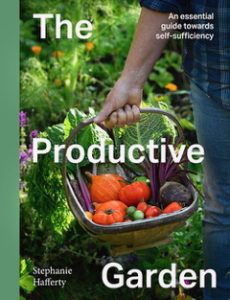
Many of you may know Stephanie Hafferty as a guru of self-sufficiency. Her garden in mid-Wales is a productive haven. As an Ambassador of the Herb Society, Steph promotes the benefits of herbs for us, and for our gardens.‘Growing herbs brings the garden to life’In her new book, ‘The Productive Garden’, published this spring (March 2026) by Quarto, Steph dedicates a whole chapter to herbs, which she believes ‘bring the garden to life’
 Among the many benefits of growing herbs, she lists:
- increasing fragrance, colour and biodiversity
- excellent companion plants for vegetables, fruit and flowers
- wonderful to grow in their own right.
- one of the easiest plant groups, with many requiring very little attention once established.
- most herbs can be grown in pots which makes them ideal for small spaces, including indoor windowsill gardens.
A place of calm
Steph describes the charm of a traditional herb garden: “Traditionally, herb gardens were a place of calm and healing, with many herbs having powerful medicinal properties. Even just a few in a pot can help to reduce stress and encourage relaxation. Sipping a freshly brewed cup of herbal tea while stroking deliciously scented leaves and flowers can help your troubles slip away.” Simple herbal remedies she recommends, include:- chamomile to aid sleep
- mint for digestion
“Herbs enable us to be more self-reliant and healthy.”Always consult a medical professional if you are on medication, because some herbs can adversely react with them.
Herbs for the kitchen
As a champion of self-sufficiency, Steph values the flavour and variety herbs bring to the kitchen. She says: “A key reason for growing herbs is, of course, culinary. They add an extra dimension to meals, drinks and preserves. Close to the home, they are always available to add to dishes, and can be harvested at the peak of flavour. Each herb has its optimum time to be picked, and so growing your own enables you to enjoy the flavours at their absolute best. Try the edible flowers of fennel
Image credit: Jason Ingram
Homegrown herbs also enable us to enjoy edible flowers, seeds and even roots that are not available in the shops. For example:
Try the edible flowers of fennel
Image credit: Jason Ingram
Homegrown herbs also enable us to enjoy edible flowers, seeds and even roots that are not available in the shops. For example:
- the flowers of fennel (including its vegetable cousin, Florence fennel) are exquisite nibbled fresh from the plant
- the green seed pods of cicely are just like sweets
- chive flowers make the most delicious infused vinegar”
In addition to their culinary uses, herbs are a key ingredient in a number of body and home care recipes.
Herbal variety
“Many are available in a huge range of flavours and colours. There are thought to be over a hundred varieties of basil, but usually just two or three are on offer in shops. I grow about fifteen varieties, including Thai, cinnamon and lime, giving me the opportunity to try different cuisines and flavours from across the globe. Herbs are also usually very easy to dry and store. Most can be hung in bunches and are traditionally dried hanging from herb-drying racks. This simple way of preserving also looks beautiful in the kitchen.”
Starting a herb garden
“When planning a herb garden, consider the growing requirements of each plant. Most herbs thrive best in a sunny location with a well-drained soil. Here in wet Wales, Mediterranean herbs such as rosemary or sage won’t thrive in damp conditions so I grow them in pots or in the ground in the sunniest, most well-drained parts of the garden. Tender hers such as basil and lemon grass need a minimum temperature of 10 degrees centigrade (50 degrees Fahrenheit) at night and plenty of light; below that they will struggle to thrive. Most herbs grow well in pots, in particular mint and lemon balm, which are invasive and can take over if planted in the soil. This makes them ideal for smaller space growing, or in places with little or no soil. Fill the pot with three parts multi-purpose compost or soil, and one part grit, so that it is free draining. During the winter months, I bring potted herbs, such as lemon verbena, under cover (greenhouse, polytunnel or sheltered porch) to protect them from the worst of the winter weather. Although may herbs are hardy, post can become waterlogged and freeze, killing the plants. Annual herbs such as basil or dill flourish interplanted with vegetables in the garden, making the most of space. Perennials such as lavender and thyme grow well on the edges of the veg beds, creating a beautiful, edible border, a rustic homespun version of the traditional herb borders of a potager.”
Many benefits
Save money: Growing your own saves money, especially when compared with the price of a few sprigs of fresh herbs in the supermarket, and we can be assured that they are at their peak of health and not sprayed with chemicals. Make money: selling bunches of dried or fresh herbs can also offer an income stream. Many are easy to propagate from cuttings or division, which can be potted on and sold. Attract wildlife: herbs are very beneficial for the ecosystem, with many having a long flowering period, attracting predator and pollinator insects to live and hibernate, and their seeds provide food for birds and small mammals. Protect soil: They can help protect the soil against erosion, especially the spreading perennials such as marjoram and thyme. Enjoy scent: Bushy herbs, including rosemary and lavender, can make attractive hedging. In the past, laundry was sometimes spread across large lavender bushes to dry, infusing it with fragrance.Choosing the herbs
Steph grows dozens of different kinds of herbs, both perennials and annuals. A full list of her favourites could fill a whole book, so in the chapter dedicated to herbs in this book, she’s had to choose just 12. Sage and lavender have stepped aside for rosemary, which has very similar growing habits. There are three gloriously lemon-flavoured herbs, included for their help with self-sufficiency, especially when living in a country that is not ideal for growing lemons – lemon verbena, lemon grass and lemon balm. Along with these are: Dill, coriander, basil, chives, mint, sweet cicely, oregano, and thyme. .
.
Join us to chat about herbs in The Productive Garden
Look out for a discussion of Steph’s book with the author herself in one of our upcoming 2026 Herb Society Bookclub meetings – keep an eye out for more details! The Herb Society Book Club is free to attend for all Herb Society members. Meetings are held online around six times a year. Books discussed range from newly published to classics and some quirkier options. There is no requirement to have read the book beforehand, but attendance will certainly give you a good idea of the book and its content and purpose. To be part of these fascinating conversations, become a member of the Herb Society and you will be emailed with a link to join each of the book club meetings through the year. Image credit: Jason Ingram