
Lavender Reconsidered
20th July 2026
Reflections on growing the many forms of lavender, from our corporate member, Hooksgreen Herbs.
Few herbs reward the gardener quite like lavender. It is beautiful without being demanding, fragrant in flower and foliage, rich in history and endlessly useful around the home.
Familiarity creates dismissiveness
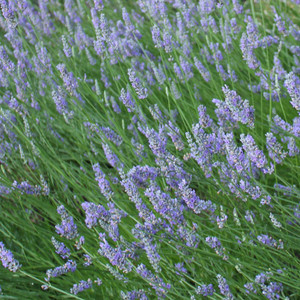
Yet despite its familiarity, lavender is still too often thought of simply as a purple-flowered shrub.
After spending time, growing, comparing and trialling lavenders at Hooksgreen Herbs, we’ve come to realise that nothing could be further from the truth.
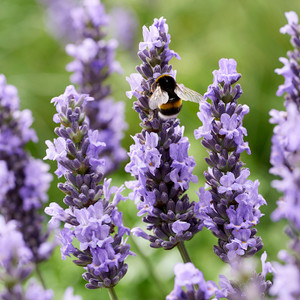
Lavender is not one plant but a remarkably diverse group of herbs, with each species and cultivar bringing its own strengths. Some are unsurpassed for fragrance, others for culinary use or essential oil production. Some make perfect low hedges, while others excel in containers or provide an irresistible feast for pollinators.
Choosing the right lavender is less about finding the best variety and more about finding the right one for the job.
Lavender through time
The story of lavender, stretches back more than 2,000 years.
The Romans prized lavender for its fragrance, scenting their bathwater with it and giving the plant its name from the Latin lavare — “to wash”. Medieval monks cultivated it in physic gardens for its medicinal qualities, while generations of herbalists valued it for its calming, cleansing and soothing properties. Today its versatility is as impressive as ever.
Versatile lavender
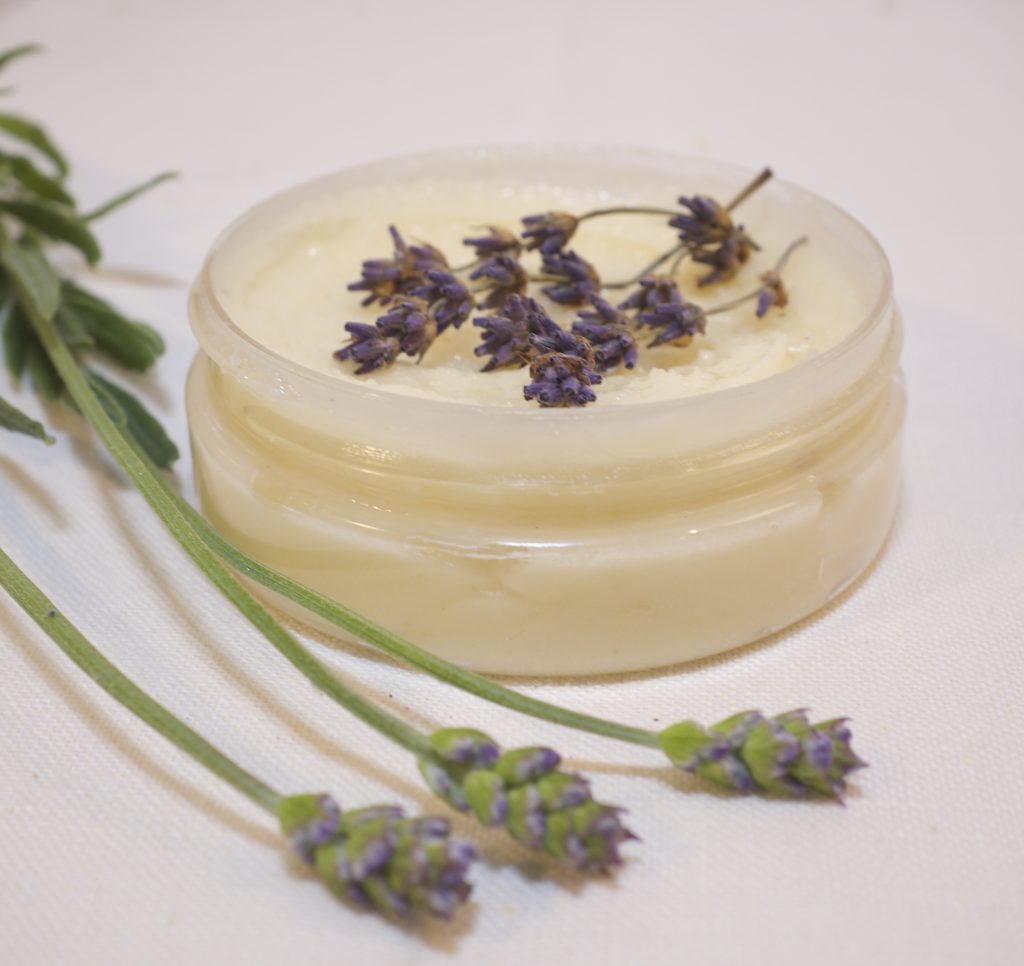
Flowers are dried for fragrant sachets and pot-pourri, distilled into essential oils, infused into soaps, candles and skincare products, and increasingly used in biscuits, syrups, sugars and herbal teas.
Few herbs combine ornamental beauty with such practical value.
Lavender Unboxed
One of the most encouraging trends we’ve seen in recent years is lavender replacing traditional box hedging. As gardeners contend with box blight and the box tree caterpillar, compact lavenders are proving themselves to be an elegant and resilient alternative. They provide evergreen structure, months of flower and a wonderful fragrance, but unlike box they also transform the garden into a haven for bees, butterflies and other pollinating insects.
Compact cultivars such as Little Lady, Thumbelina Leigh and Little Lottie naturally form neat, rounded plants that require very little clipping, making them ideal for edging paths, knot gardens and herb borders.
Naming lavender
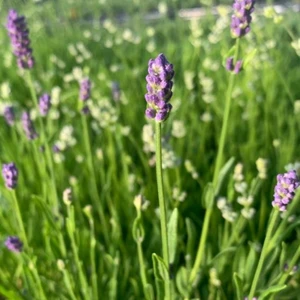
Even the names we use for lavender deserve a little explanation.
Gardeners have long spoken of English, French and Spanish lavenders, yet these are gardening terms rather than reliable guides to a plant’s origins. Lavender itself is native to the Mediterranean and surrounding regions, not Britain. Although it is thought to have arrived here with the Romans, it was actually many centuries before it became an established garden plant.
The familiar names remain useful because they distinguish different groups of lavender, but they should be understood as convenient labels rather than strict botanical descriptions.
English lavender
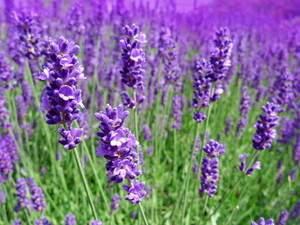
For British gardens, English Lavender (Lavandula angustifolia) remains the outstanding all-round performer. Exceptionally hardy, richly fragrant and producing some of the finest essential oils, it is the lavender of choice for drying, culinary use and aromatherapy.
French Lavender
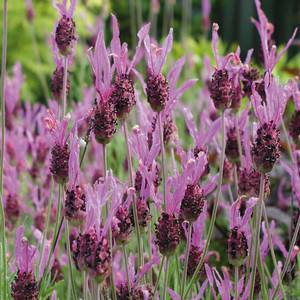
French Lavender (Lavandula stoechas), instantly recognised by its distinctive butterfly-like flower heads, brings striking ornamental appeal and an exceptionally long flowering season. It is, however, less tolerant of prolonged frost and its stronger camphor scent makes it less suited to culinary use.
Both English Lavender and French Lavender have an important place in the garden, but for reliability, fragrance and versatility, L. angustifolia is difficult to surpass.
Lavender’s Blue … and pink, and lilac, and white … dilly dilly; Lavender’s green
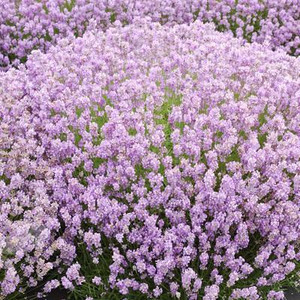
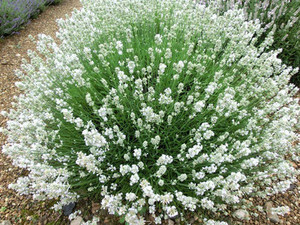
Visitors to our nursery (by prior arrangement only) or our website are often most surprised by the extraordinary range of colours and forms now available. Lavender is no longer simply blue.
Delicate pink cultivars such as Loddon Pink and Melissa Lilac soften mixed borders beautifully, while the pure white flowers of Nana Alba seem almost to glow in the evening light.
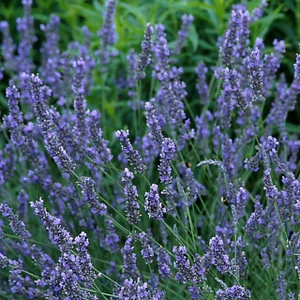
For dramatic impact, Sensational! produces impressively large flower spikes, while Grosso remains one of our favourite cultivars for harvesting thanks to its abundant blooms and long stems. Growing so many varieties side by side continually reminds us that subtle differences in colour, fragrance, flowering time and habit can have a remarkable influence on where each plant performs best.
Extended family
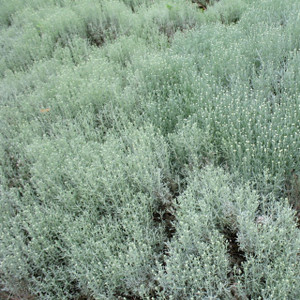
Our interest extends beyond the true lavenders. Cotton Lavender (Santolina chamaecyparissus), despite its common name, belongs to an entirely different genus, yet shares the same love of sunshine and free-draining soil. Its finely divided silver foliage and cheerful yellow button flowers make it a natural companion to lavender, adding texture and contrast throughout the year.
Growing lavender
Perhaps the greatest secret to growing lavender well is simply understanding where it comes from.
Native to dry Mediterranean hillsides, it thrives in full sun and sharply drained soil. Rich, damp conditions are far more likely to shorten its life than poor ones.
As gardeners increasingly embrace peat-free composts, we’ve found that lavender adapts exceptionally well, provided drainage is excellent. Mixing peat-free compost with grit or coarse sand often produces stronger, healthier root systems than moisture-retentive growing media.
Ultimately, successful lavender cultivation depends less on the compost itself than on ensuring excess water drains away quickly, especially during winter.
Everyone Welcome
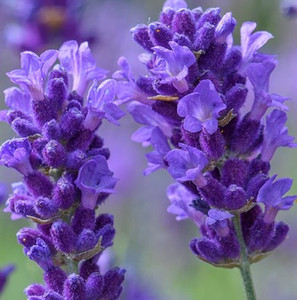
Growing more than fifty carefully chosen cultivars has taught us that every lavender has a purpose. Some are exceptional for pollinators, others for fragrance, some are unrivalled in containers, while others are selected specifically for drying, culinary use or essential oil production. That diversity is precisely what makes lavender such a rewarding herb to grow, and why we continue to expand our collection at Hooks Green Herbs.
The greatest satisfaction comes not from offering the widest choice, but from helping gardeners discover the variety that will thrive in their own garden and fulfil exactly the role they want it to play.
Perhaps that is why lavender has remained such an enduring favourite for centuries. It asks for little, gives generously and appeals to almost every sense. It perfumes the air, fills the garden with colour and the sound of bees, provides ingredients for the kitchen and home, and connects us with a rich tradition of herbal gardening that stretches back thousands of years. Few plants can claim to be so ornamental, so practical and so deeply woven into the history of our gardens. Once you begin to appreciate the remarkable diversity within the genus, it becomes impossible to think of lavender as simply another purple shrub.
Thanks to our corporate member Hooksgreen Herbs for their insight on lavender. Many varieties are available through their website.