
Key identifying features
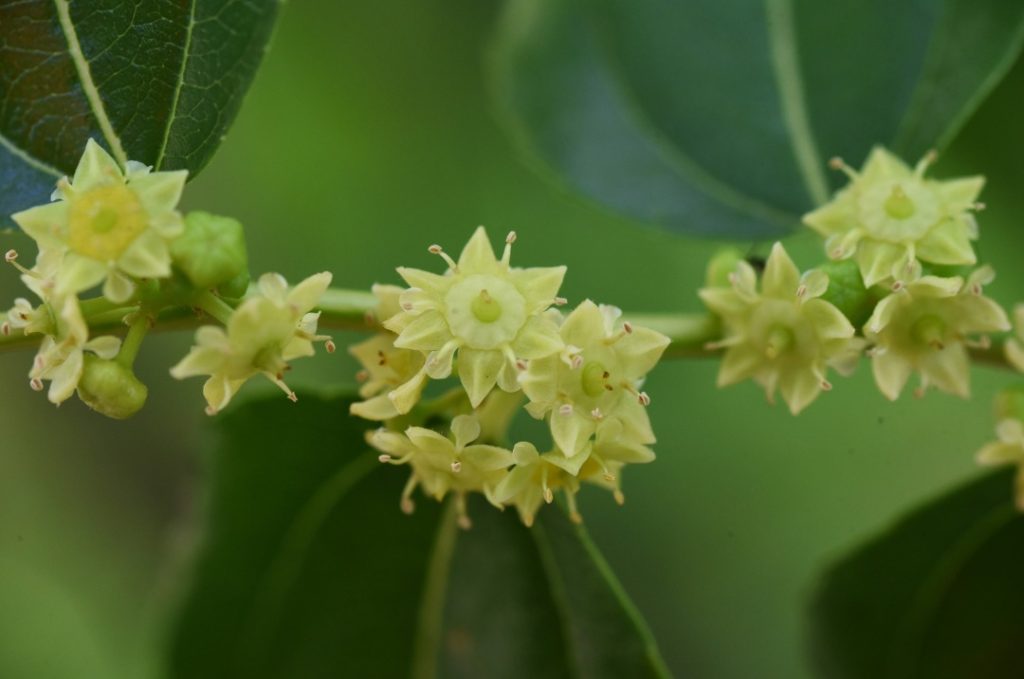
Jujube is a small deciduous tree or large shrub, typically growing between 5 and 10 metres tall. Native to China and other parts of eastern Asia, it thrives in sunny, dry conditions and is often found in orchards, gardens, and cultivated landscapes throughout temperate and subtropical regions. The branches may bear small thorns, particularly on younger growth. Its glossy green leaves are oval-shaped with three prominent veins running from the base. Small yellow-green flowers appear in late spring and summer, attracting pollinators.
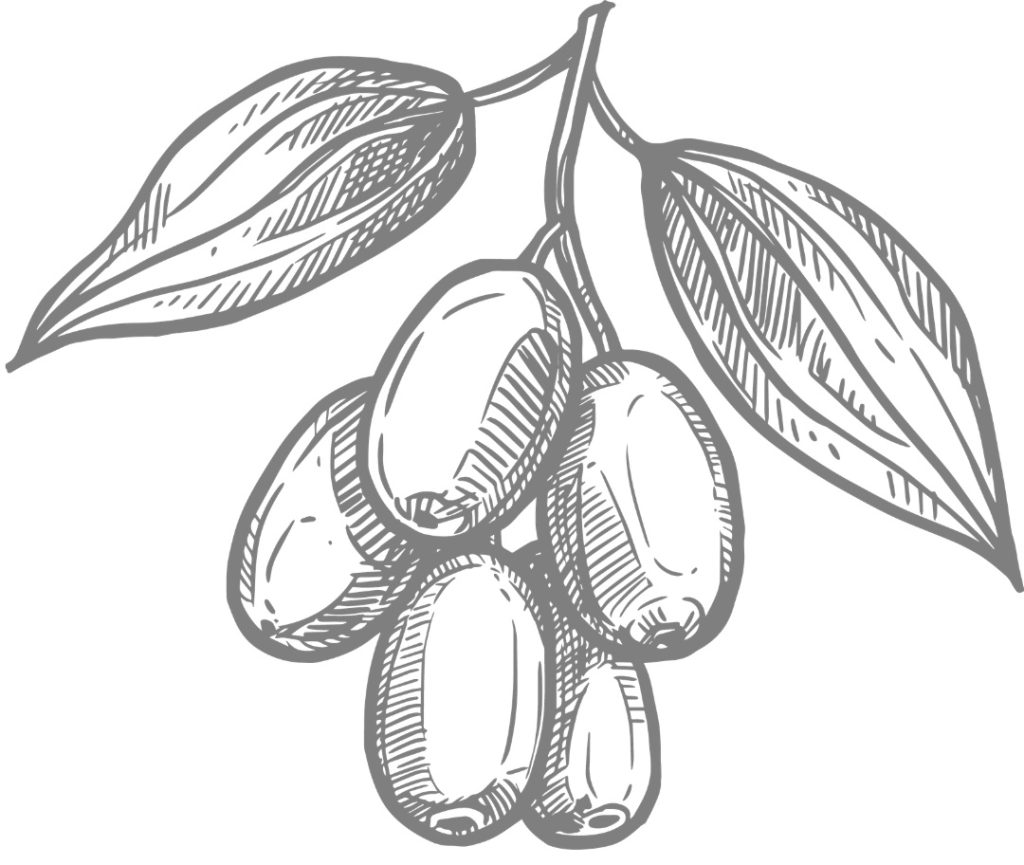
The fruits begin green and ripen through yellow and reddish-brown stages to become wrinkled and date-like when fully mature. Depending on the variety, they may be round, oval, or elongated. Fresh fruits have a crisp texture similar to apples, while dried fruits become sweet and chewy.
Virtues
Jujube has been cultivated for thousands of years as both a food and a medicine. The fruits are rich in vitamins, minerals, antioxidants, and natural sugars, making them a nourishing and restorative food. They can be eaten fresh, dried, candied, or incorporated into teas, soups, syrups, and desserts.
In traditional herbal medicine, particularly Traditional Chinese Medicine, Jujube is regarded as a gentle tonic herb that supports vitality, digestion, and emotional wellbeing. The fruits are commonly used to nourish and strengthen during times of stress, fatigue, or recovery from illness. They are also valued for their calming qualities and are frequently included in preparations intended to support restful sleep and ease nervous tension.
The seeds have a separate history of use as a calming remedy and are traditionally employed to support relaxation and healthy sleep patterns.
Spiritually, Jujube is associated with nourishment, abundance, resilience, and longevity. The tree’s ability to thrive in hot, dry conditions and produce generous harvests has made it a symbol of prosperity and endurance across much of Asia. In Chinese culture, Jujube fruits are often included in celebrations and traditional ceremonies as symbols of fertility, good fortune, and family happiness.
Growing and/or foraging/harvesting tips
Jujube prefers full sun and well-drained soil. Once established, it is remarkably drought tolerant and can withstand a wide range of growing conditions. Although more commonly grown in warmer climates, some cultivars can be successfully cultivated in sheltered parts of the United Kingdom and northern Europe.
The fruits are harvested from late summer into autumn when fully coloured and sweet. They may be eaten fresh or dried for later use. Trees are generally productive and relatively low maintenance once established.
Jujube is not considered threatened and is widely cultivated throughout Asia and increasingly in Europe and North America. Its attractive foliage, edible fruits, and resilience make it a valuable addition to food forests and medicinal gardens.