
Prehistoric Women Healers
6th March 2025
Words by Rox Madeira from Wise Herbal Ways
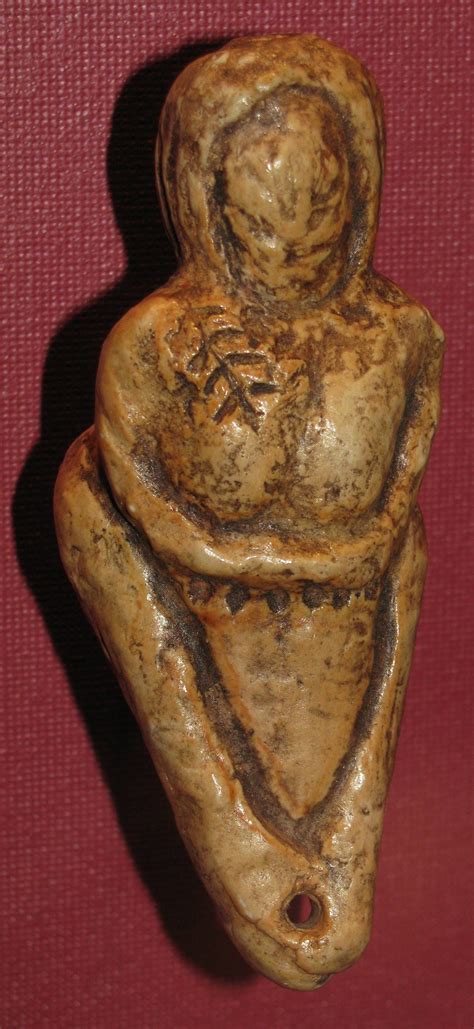
There is a new view of prehistory, emerging from the growing voices of women and evidence of Matriarchal societies. Studies of ancient and recent Matriarchal societies show that they were egalitarian societies, rather than the previous idea that it was simply the opposite of today: societies with women ruling. Within these discoveries there are ethnographic and ethno archaeological evidence from prehistoric times showing that women made a huge contribution, larger than previously thought, to the plants gathered for food and objects – women’s contribution to hunter gather calories and protein intake was between 50-70%. This gave them special expertise and knowledge in plants, and leads to the suggestion that they would therefore also have had special knowledge in the use of medicinal plants.“If women knew about the properties of plants, they may have been the founders of medicine”. (1)The evidence of plants used for healing dates back to the dawn of humanity. There are remnants of medicinal plants found from sites dating 19,000 years ago, there have also been discoveries of Neanderthals, 49,000 years ago, using poultices for toothache, containing plants with salicylic acid. 8,000 year old discoveries from a site in Brazil have shown a first aid selection of plants used for digestive problems, worms, pain relief, wounds and respiratory issues. Mesolithic hunter gathers in Scandinavia have been found to have chewed birch tar, an antiseptic. When researchers looked at the DNA of the body chewing the tar they saw various mouth infections and herpes, which would have been helped by having some antiseptic medicine. It is thought that during this pre-historical period that healing consisted of a combination of plant pharmacy, ritual, manipulation, chants and offerings of models of the body parts needing healing. Tribal cultures that still exist today show us that women were most likely the ones who took on the healing role. The discovery of thousands of female “Venus” figures carved of stone, ivory or bone have been found indicating a reverence for the female being, the female body and its mysterious ability to reproduce. These were very likely sacred figures passed down through the ages, some have been very obviously held by many hands. They represent women’s wisdom, connection to life, regeneration, and reproduction, life and death, where all human, plant and animal life came from and returned to.
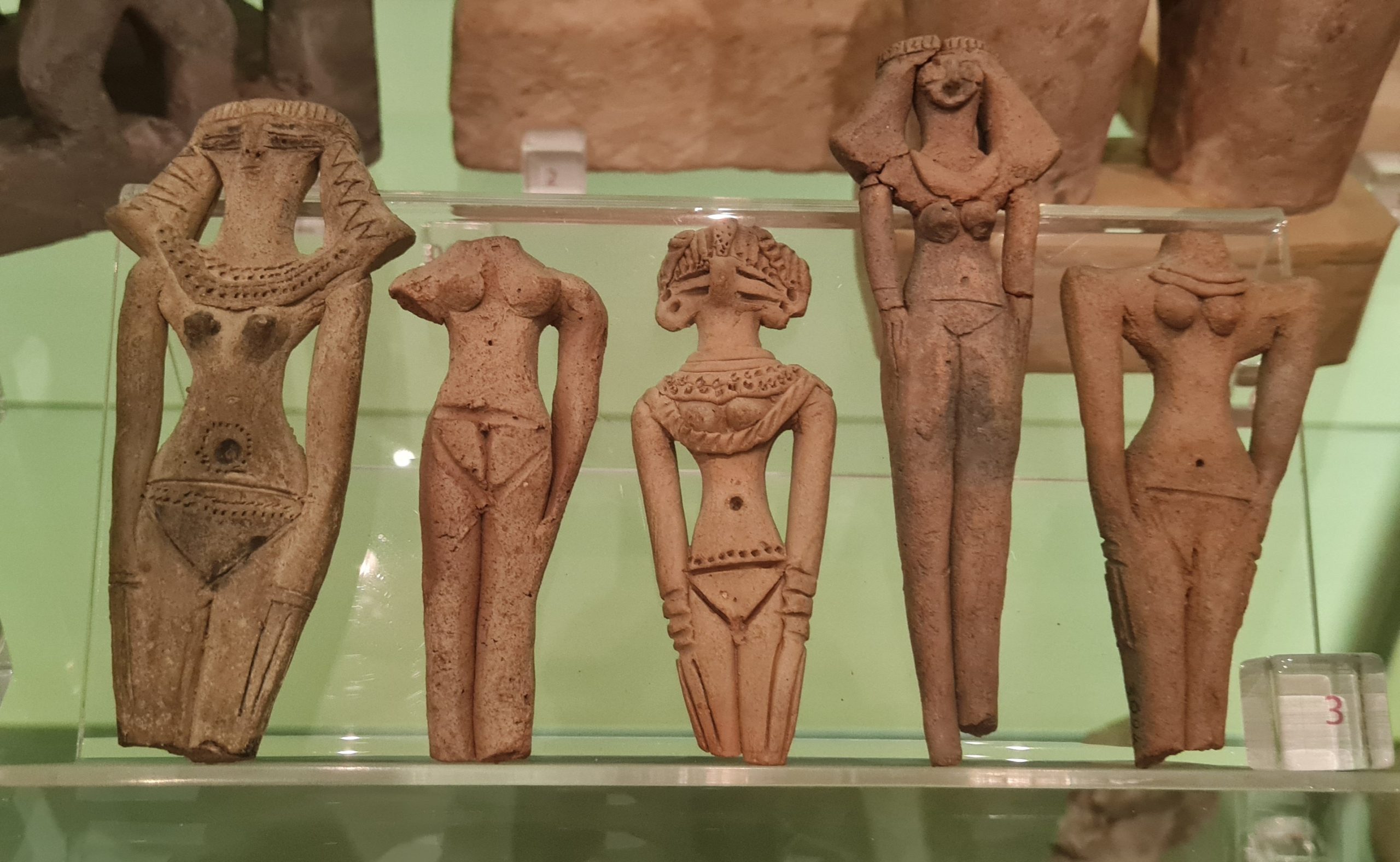
Figurines from ancient Egypt 1877-1650 BCE, found in tombs. Thought to be fertility related in terms of rebirth in the afterlife.
 It has been suggested by recent archaeologist’s that hunter-gather societies were a much more peaceful society than previously envisioned, but the rise in patriarchal systems led to a desire to develop large populations, as slaves, cheap labour, and to have a pool of people to fight in wars to protect assets and land. Later on women healers were suppressed in order to control the economic rivalry to their male counterparts as they were establishing their new profession.
“Invariably, the deities of the old ways become demons in the new; what was good becomes evil. Woman, as chief representative of the old ways, suffers the consequences as the ancient mother goddess figure is blamed for man’s fall from grace. Even the pangs of birth, rather than part of the divine act of producing a miracle, became woman’s just deserts.” (2)
Bibliography
(1) – Cirotteau, Thomas; Kerner, Jennifer; Pincas, Eric. Lady Sapiens: Breaking Stereotypes About Prehistoric Women
(2) Achterberg, Jeanne. Woman as Healer Shambhala
Goettner-Abendroth, Heide Matriarchal Societies of the Past and the Rise of Patriarchy: West Asia and Europe . Peter Lang Inc., International Academic Publishers.
Sjoo, Monica; Mor, Barbara. The Great Cosmic Mother: Rediscovering the Religion of the Earth
Marija Gimbutas. The Living Goddesses
It has been suggested by recent archaeologist’s that hunter-gather societies were a much more peaceful society than previously envisioned, but the rise in patriarchal systems led to a desire to develop large populations, as slaves, cheap labour, and to have a pool of people to fight in wars to protect assets and land. Later on women healers were suppressed in order to control the economic rivalry to their male counterparts as they were establishing their new profession.
“Invariably, the deities of the old ways become demons in the new; what was good becomes evil. Woman, as chief representative of the old ways, suffers the consequences as the ancient mother goddess figure is blamed for man’s fall from grace. Even the pangs of birth, rather than part of the divine act of producing a miracle, became woman’s just deserts.” (2)
Bibliography
(1) – Cirotteau, Thomas; Kerner, Jennifer; Pincas, Eric. Lady Sapiens: Breaking Stereotypes About Prehistoric Women
(2) Achterberg, Jeanne. Woman as Healer Shambhala
Goettner-Abendroth, Heide Matriarchal Societies of the Past and the Rise of Patriarchy: West Asia and Europe . Peter Lang Inc., International Academic Publishers.
Sjoo, Monica; Mor, Barbara. The Great Cosmic Mother: Rediscovering the Religion of the Earth
Marija Gimbutas. The Living Goddesses